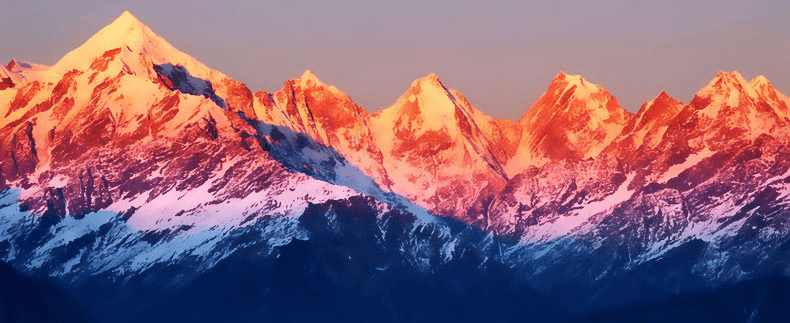
Mountain peaks are prominent features on the Earth's surface, often located at the summits of
mountain ranges, varying in height and shape due to geographic location and geological structure. Serving as
iconic landmarks of the Earth's topography, mountain peaks attract climbers and adventurers while harboring
diverse ecosystems and providing valuable water sources and resources for humanity, all while reflecting the
Earth's long history of geological evolution.
-

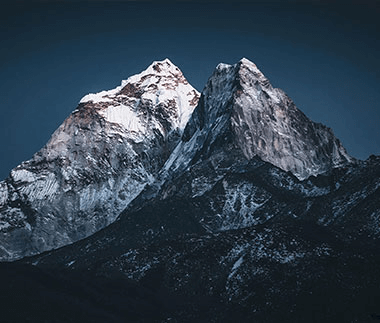
Mount Everest, located in the Himalayas, is the tallest peak on Earth,
standing at 8,848.86 meters above sea level. It attracts climbers and adventurers from around the globe,
earning the title of the ultimate challenge in mountaineering. Its breathtaking scenery, extreme weather
conditions, and mystique make it one of the most iconic landmarks in the world.
-
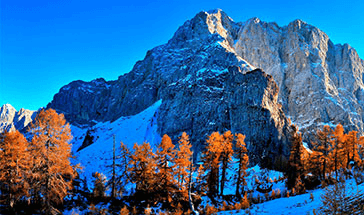
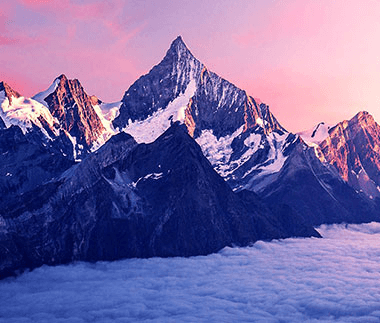
The continuous snow-capped mountain range consists of a series of
majestic peaks extending one after another, adorned with perpetual snow at their summits, creating
spectacular snowy landscapes. These mountain ranges often stand as magnificent natural wonders, sought after
destinations for climbers and outdoor enthusiasts to explore.
-
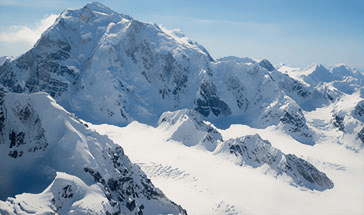
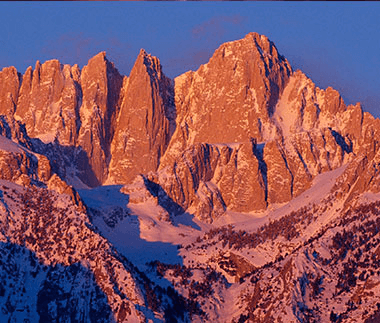
Watching the sunrise and sunset from atop a mountain offers a
breathtaking experience, as the sky transforms into a canvas of vibrant colors, painting the surrounding
landscape in hues of gold and pink. The tranquil beauty of nature combined with the sense of accomplishment
from reaching such heights creates unforgettable moments cherished by those who witness them.